Why Midsize Bodies Often Need Tailoring More Than They Need a Different Size
Quick Answer: A midsize body often falls between where straight-size and plus-size grading assumptions stop overlapping, meaning a single size rarely matches proportions everywhere at once — sizing up typically fixes one area while creating excess room in another, while a tailor can adjust the specific problem area without disturbing the parts that already fit well, which is why tailoring solves more midsize fit problems than resizing does.
You’ve sized up to fix one tight spot and ended up with three new loose spots instead. That’s the predictable result of sizing being a blunt tool for a fit problem that’s actually about proportion, not overall scale.
Why does sizing up create new problems instead of just fixing the old one?
A size grade scales a garment relatively evenly across all measurements, but a midsize body’s actual proportion mismatch with standard sizing is rarely even — a hip measurement between size charts paired with a shoulder or bust measurement that fits the smaller size perfectly means sizing up to fix the hip creates new excess room at the shoulder or bust. This uneven mismatch is exactly the pattern that makes midsize sizing so consistently frustrating.
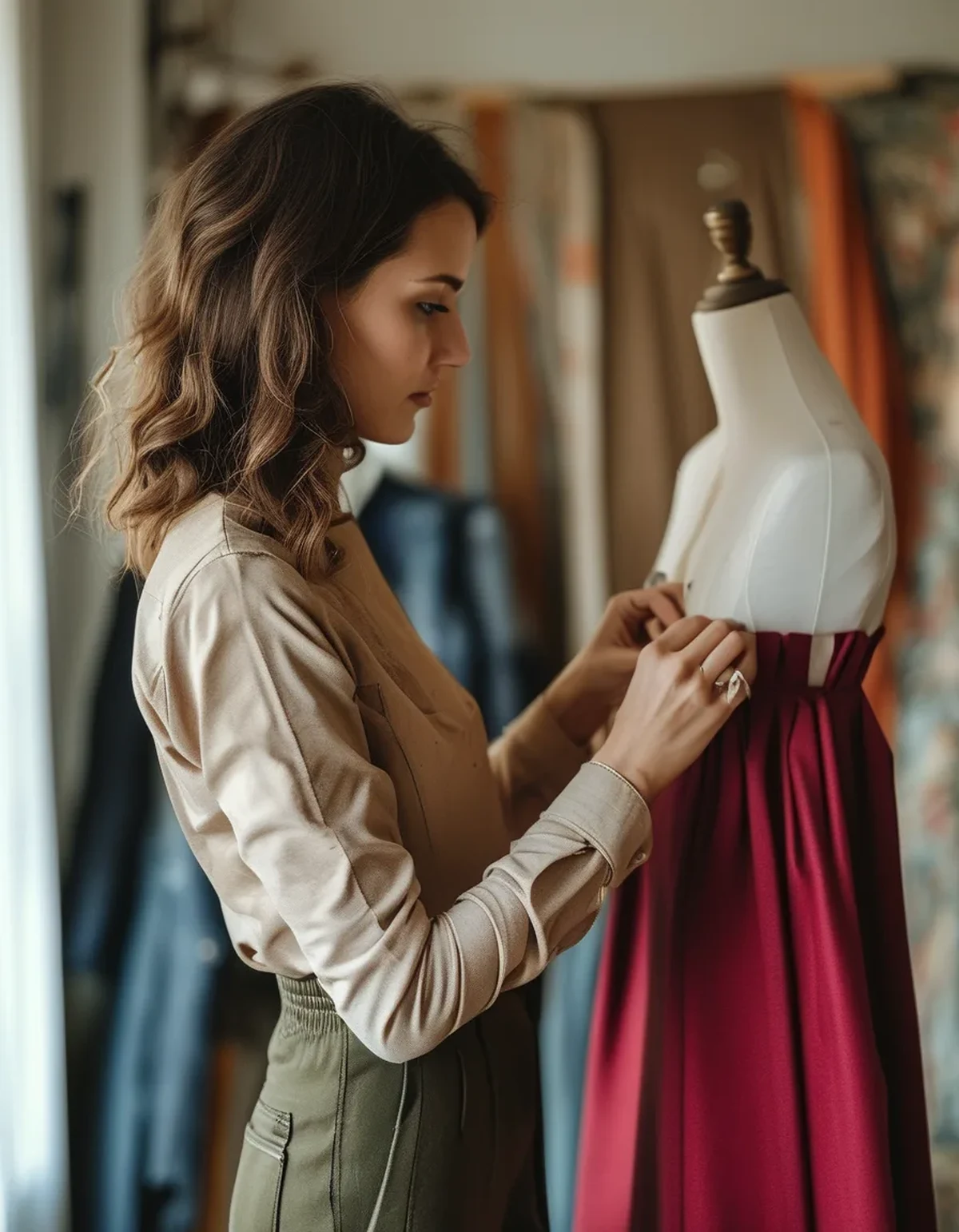
A tailor addresses this by adjusting only the specific measurement that was actually off, leaving the parts that already fit correctly untouched — something no single size change can do.
Is tailoring actually cost-effective compared to just buying multiple sizes to try?
Often, yes, when the true cost of repeated ill-fitting purchases and returns is counted honestly — a single tailoring adjustment on a good-quality piece that’s 90% correct is frequently cheaper and faster than continuing to buy and return multiple sizes hoping one eventually fits everywhere. This reframe helps justify tailoring as a legitimate fit strategy rather than an occasional luxury only for special-occasion clothing.
For pieces worn frequently, like well-fitting work pants or a go-to blazer, the cost of one tailoring adjustment is often recovered quickly just in the wear-life of a garment that finally fits properly.

What are the most common tailoring adjustments midsize bodies actually need?
Taking in the waist while leaving the hip room, adjusting shoulder width independent of bust size, and shortening or lengthening sleeves and hems to match individual proportion are among the most frequently needed adjustments for midsize bodies specifically, since these are exactly the measurements that standard size grading tends to mismatch. None of these are complex or expensive alterations in most cases.
Knowing these specific common adjustments in advance makes it easier to evaluate a garment before buying — a piece that’s close in the areas that are harder to alter (like overall garment structure) but off in one of these easier-to-fix areas is often a better buy than one that fits nowhere and needs a major overhaul.
Does this mean midsize-specific brands aren’t worth seeking out?
Midsize-specific brands are still worth seeking out, since they start from a better proportion baseline, meaning less tailoring is typically needed overall — but even midsize-specific sizing doesn’t eliminate all individual proportion variation, since bodies vary within the midsize range too, not just between size categories. Tailoring and better-fitting brands work together rather than being an either-or choice.
Starting with a brand whose midsize grading tends to match your proportions well, then reserving tailoring for the smaller remaining gaps, is generally more efficient than relying on either strategy alone.
FAQ: Midsize Bodies and Tailoring, Answered
How do I find a good tailor if I’ve never used one before?
Asking for recommendations from people with a similar general fit challenge, or checking reviews specifically mentioning garment alterations rather than just hemming, helps find someone experienced with more involved adjustments.
Is it worth tailoring inexpensive, fast-fashion pieces, or only higher-quality garments?
Tailoring is generally more worthwhile on higher-quality fabric and construction, since the garment itself is more likely to hold up to the adjustment and be worn long enough to justify the cost.
Can activewear specifically be tailored, or is that only for structured clothing?
Many activewear pieces, particularly leggings and structured tops, can be tailored for waist or length, though stretch fabric requires a tailor experienced specifically with performance textiles.
TL;DR:
- Midsize sizing mismatches are usually uneven across measurements, not a single overall-scale problem
- Sizing up typically fixes one tight spot while creating new loose spots elsewhere
- Common tailoring fixes — waist, shoulder, hem — directly address the specific proportion gaps midsize bodies face
- Midsize-specific brands and tailoring work best together, not as competing strategies
Once the real problem is understood as proportion rather than scale, tailoring stops looking like an occasional luxury and starts looking like the more direct, often cheaper fix it usually is.
Keep Reading
This article is for general informational and styling purposes only. Fit, sizing, and product availability may vary.
